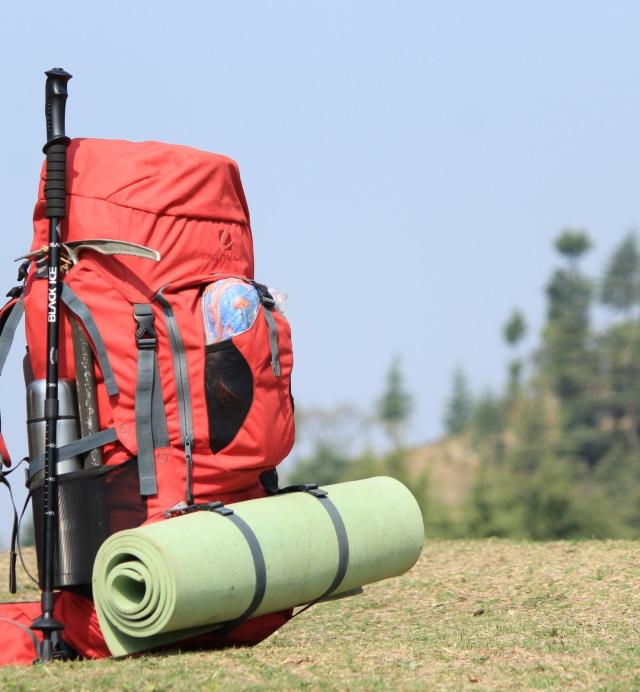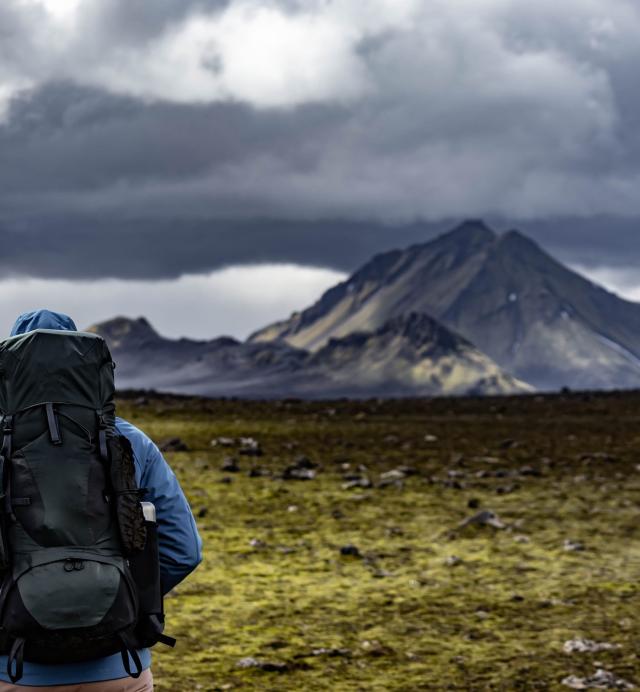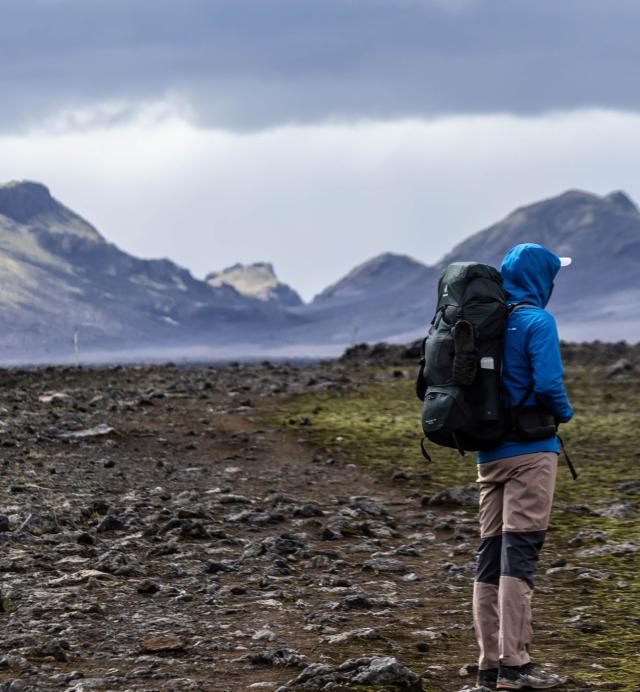
Leaving Yaylalar village on a September morning, our packs weighed 14 kilos each with two litres of water. Four days later, on the Kavrun plateau, we tipped everything out onto a groundsheet and weighed it again, item by item, with a luggage scale and a notebook.
We had carried around three kilos that we never used. None of it was a mistake on its own. Together it was the difference between enjoying the climb to the Naletleme pass and counting steps on it.
The route, in short
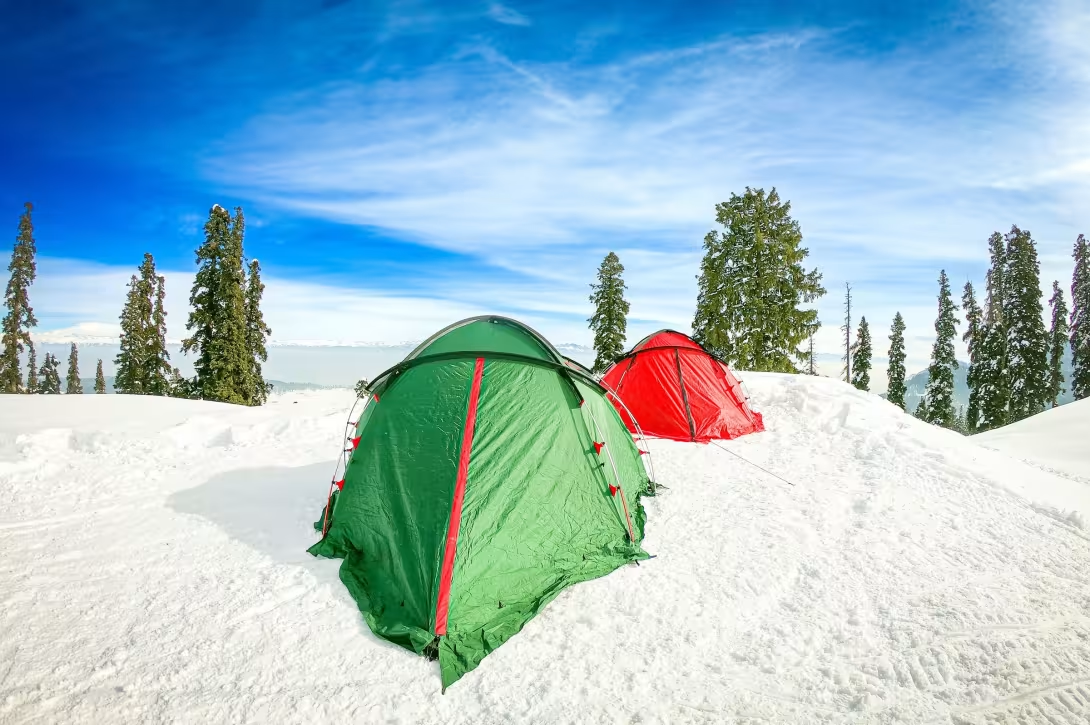
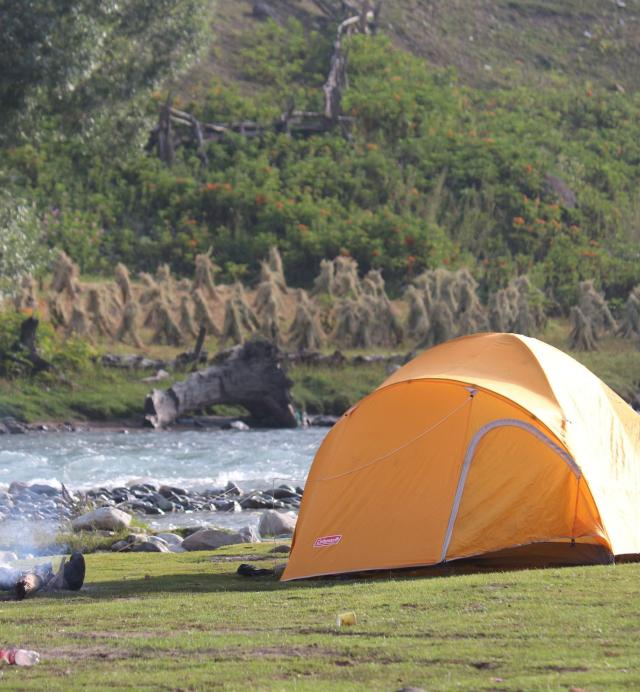
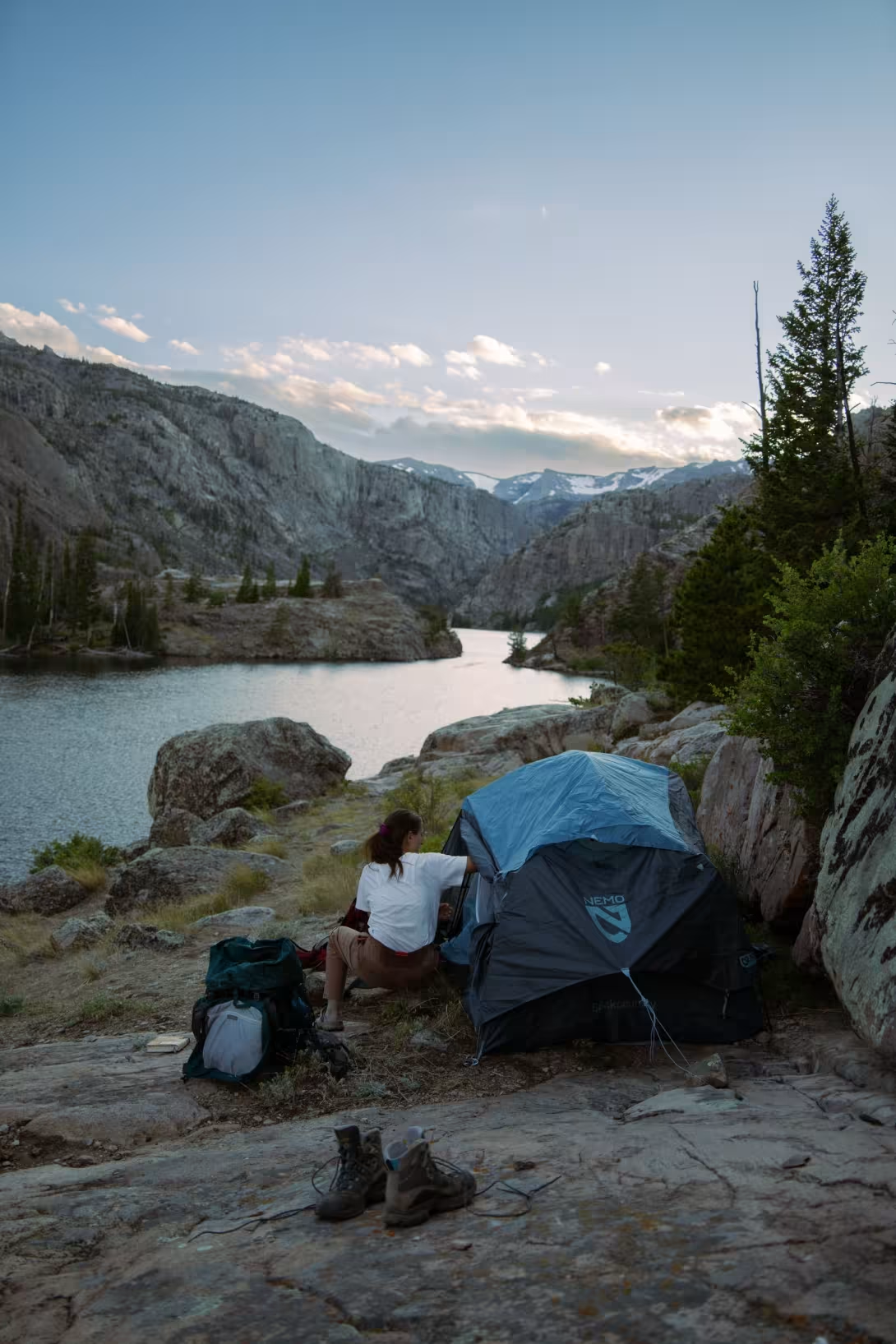
Our route ran Yaylalar – Dilberdüzü – Deniz Gölü – Naletleme – Kavrun, about 40 km with roughly 2,500 m of climbing over four days. We camped at Dilberdüzü (around 2,950 m) for two nights, with a day climb past Deniz Gölü towards the summit between them, crossed the Naletleme pass on day three to camp by a tarn, and walked down to the Kavrun plateau on day four. Water is everywhere until late summer; the nights were between +2 °C and −1 °C, and fog came up the valley every afternoon by three.
What came out of the pack
We split the groundsheet into three piles: used every day, used once, never touched. The third pile is the one worth writing down.
| Never used | Weight | Why it came |
|---|---|---|
| Second pot | 210 g | "In case we cook two things." We never did, with one stove. |
| Spare fleece | 390 g | The down jacket covered every evening. |
| Second gas canister (230) | 370 g | One canister boiled water for two people for four nights, with gas left over. |
| Two extra T-shirts | 300 g | We wore the same merino top for four days. Nobody complained. |
| Camp shoes | 450 g | Loosened boot laces did the same job. |
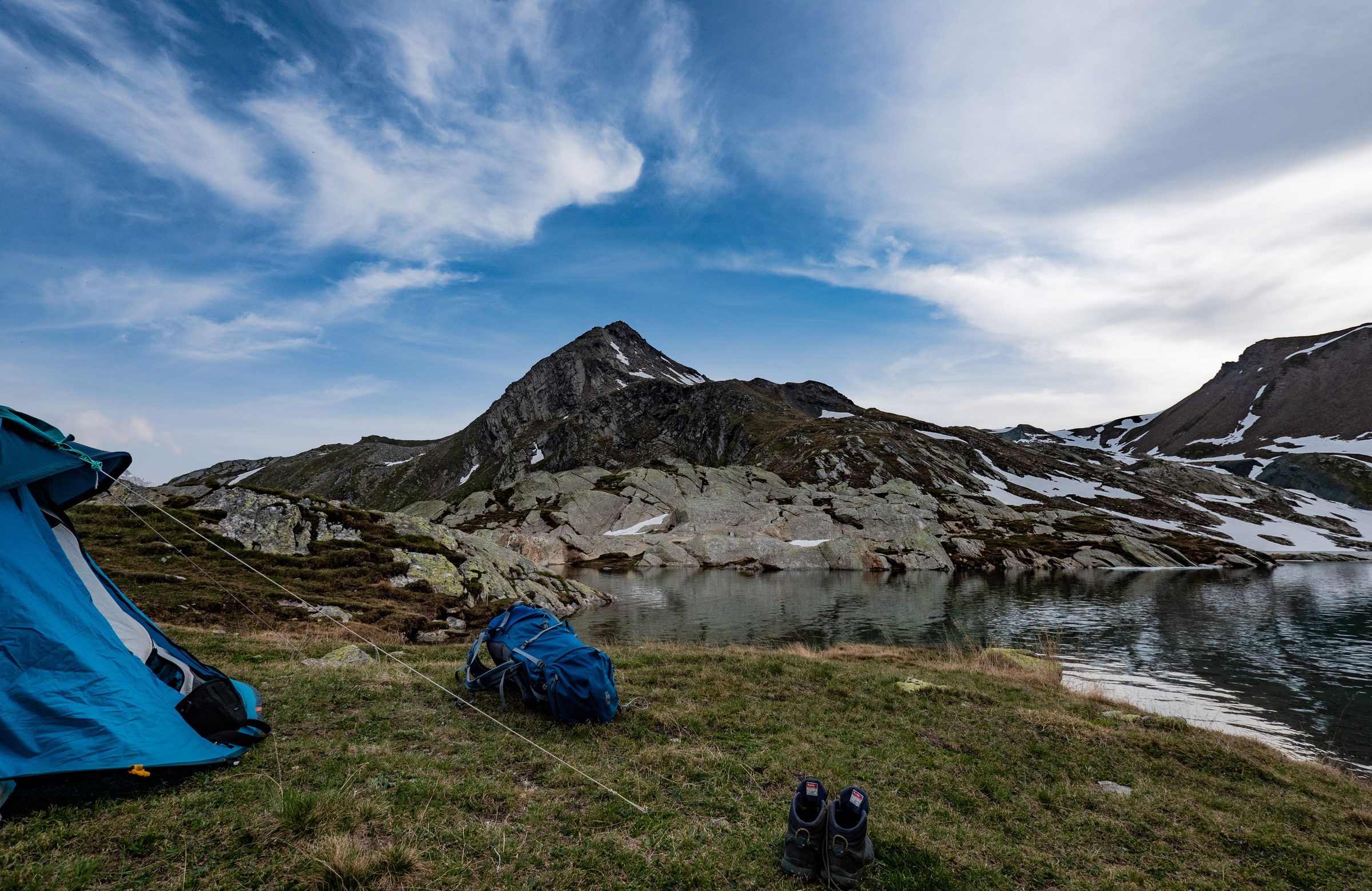
| Paperback | 280 g | Read four pages. The fog was more interesting. |
| Surplus food | 900 g | A whole extra day of meals "just in case". |
| Second power bank | 230 g | Phone in flight mode used 40 % of the first one. |
| Total | 3,130 g |
Three kilos on a 14 kg pack is more than a fifth of the load. On the climb from Dilberdüzü to the pass, that is the part you feel in your knees on the way down the other side.
What stayed, and why
Some things look heavy on paper and earned every gram. We would pack all of these again without a second thought:
- Water filter (85 g). Glacial streams near the summer pastures run past grazing animals. We filtered everything below 2,800 m.
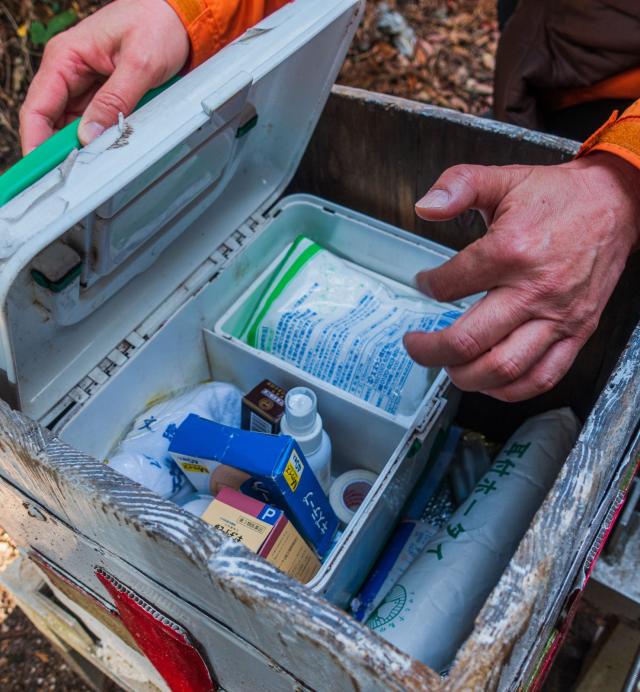
- First-aid kit (180 g). Used on day two for a heel blister and on day four for a cut from a rock. A kit is the thing you only regret leaving at home.
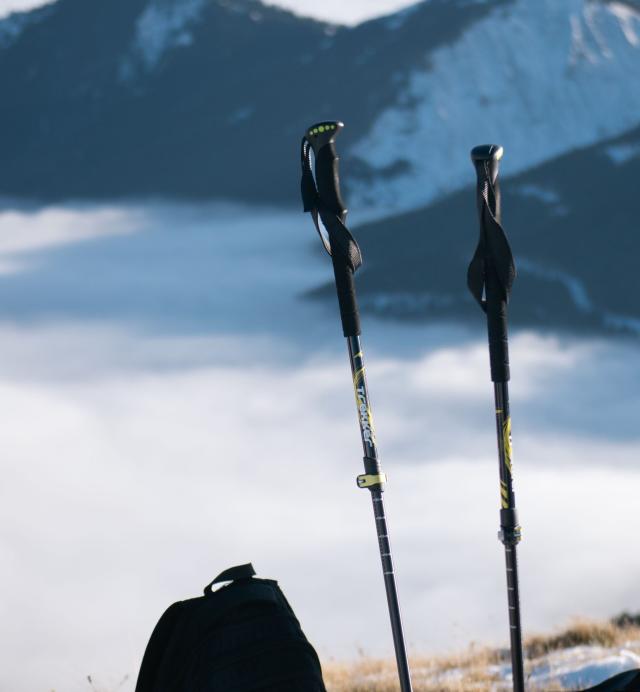
- Trekking poles (470 g a pair). The descent from Naletleme is loose scree for an hour. Poles took a lot of that load off our knees.
- Rain jacket (340 g). Worn every afternoon when the fog turned to drizzle, and as a windproof on the pass.
- Down jacket (380 g). At camp from five in the evening until we got into the bags. It replaced the fleece entirely.
The pack you carry on day one is packed by your worries. The pack you carry on day four is packed by the mountain.
Written in the notebook at Kavrun
How we pack now
Since Kaçkar we pack with three questions. Will I use it every day? If not, what happens if I do not have it? And is there something already in the pack that does the same job? The second question keeps the filter, the first-aid kit and the rain jacket. The third one removes the fleece, the camp shoes and the second pot.
Food is the hardest to cut, because hunger feels like danger. We now plan exact meals per day plus one spare dinner and a handful of bars for the whole group, not one spare day per person. Gas we plan at about 25 g per person per day for boiling water only, which means one 230 g canister for two people for four nights, with some left for tea.
We also changed the pack. On the first day the 65-litre bag was full because there was room; with three kilos gone, everything fitted in the Yedigöl 45+10, which is 530 g lighter on its own. Smaller packs make better decisions for you.
Repacked without the third pile, the same kit weighs 11 kilos, and we have not missed a single thing on it since. If you are planning the same route, open the route pack on the home page, flip the cards for the gear you already own and watch what the scale says. Then take out one more thing.